

The government has announced that oracy will have equal status to reading and writing in the revised National Curriculum. Speaking at the Confederation of School Trusts conference in October 2026, Education Secretary Lucy Powell said that oracy woul...
Read More


What adaptive teaching looks like in the classroom and why it is central to inclusive practice Adaptive teaching has become one of the most frequently discussed aspects of effective classroom practice. It is regularly referenced in professional deve...
Read More

What schools need to know about inclusive practice, Universal Offer and removing barriers to learning As schools strengthen their approach to inclusion, the term Ordinarily Available Provision (OAP) is appearing more frequently in local authority gu...
Read More

A practical guide to the new expectations around inclusion, Universal Offer and removing barriers to learning The DfE Inclusion Strategy represents an important development in how primary schools approach inclusive education. As schools prepare to s...
Read More

Understanding universal provision, inclusive teaching and removing barriers to learning The term Universal Offer is becoming increasingly important for primary schools as the focus on inclusive education continues to develop. Many school leaders are...
Read More

Fluency is often discussed in relation to reading and maths, but its importance goes far beyond individual subjects. In early years education, fluency plays a critical role in securing foundational knowledge and enabling children to progress confide...
Read More

Cumulative learning is central to Ofsted’s expectations for early years education. Inspectors look closely at whether children’s learning builds systematically over time, rather than being delivered as isolated activities. This post explains what cu...
Read More

Vocabulary development is a cornerstone of early years education. A child’s ability to understand and use words shapes how they access the curriculum, communicate ideas, and build new knowledge. This post explains why vocabulary is central to founda...
Read More

Understanding the difference between foundational knowledge and skills is crucial for building a strong early years curriculum. Many schools focus heavily on skills or activity-based learning but neglect the knowledge that underpins lasting learning...
Read More
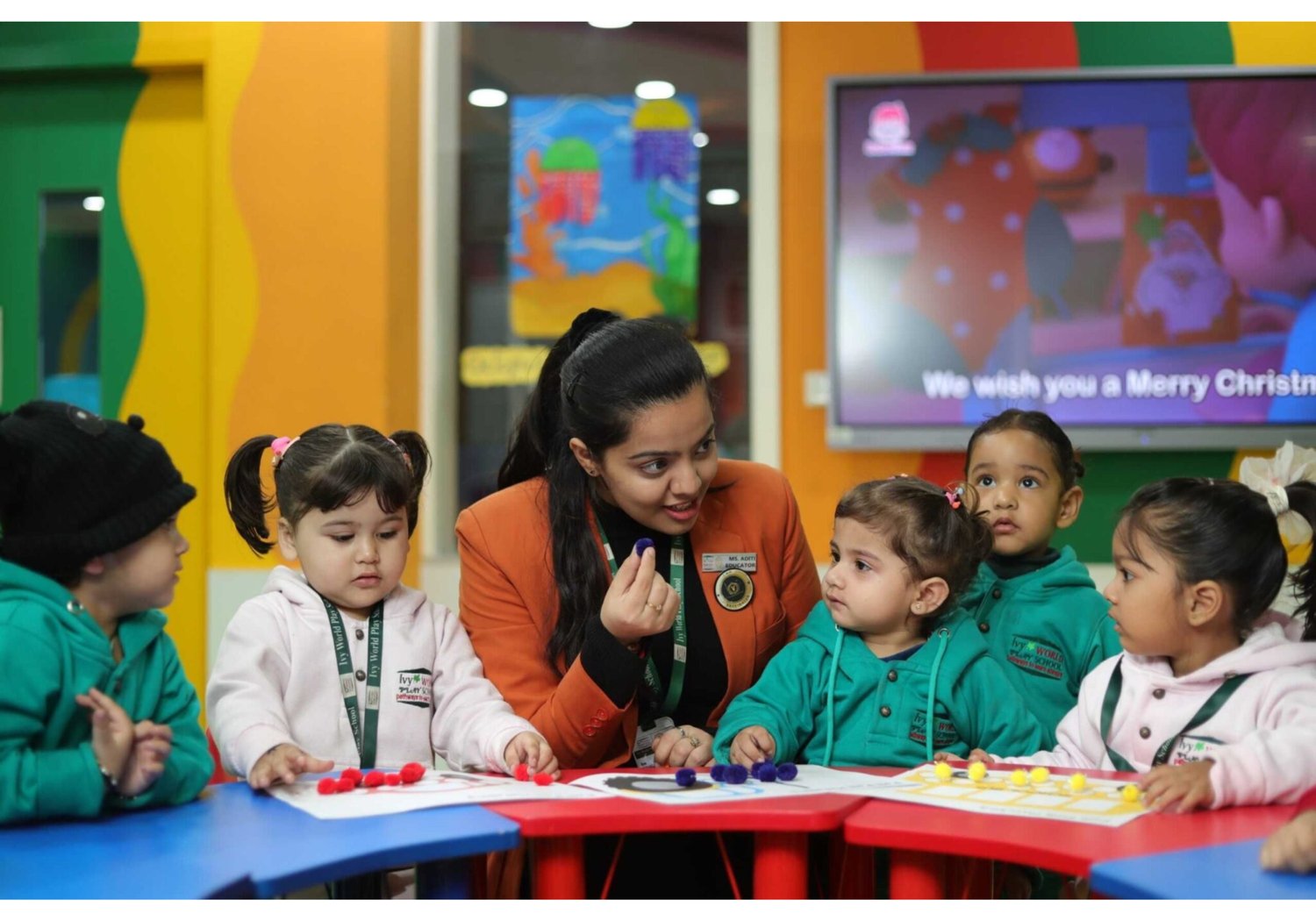
Foundational knowledge and secure curriculum foundations are at the heart of Ofsted’s expectations for early years education. This post explains what inspectors look for, why it matters, and how schools can strengthen these key aspects of learning. ...
Read More

Foundational knowledge in the first years of school is crucial. Ofsted’s 2024 report, Strong Foundations in the First Years of School, highlights how children who leave Key Stage 1 with strong literacy, numeracy, and social skills are better prepare...
Read More

The July 2025 RSHE statutory guidance brings major updates for primary schools in England. This summary helps school leaders and PSHE leads understand what’s changed, what’s mandatory, and how to prepare. 1. Mandated Coverage - With Professional Jud...
Read More

As the autumn term approaches, two national reviews are gathering momentum - and while outcomes aren’t final, what’s known so far gives school leaders meaningful insight:DfE’s Curriculum & Assessment ReviewOfsted’s consultation on a new inspecti...
Read More

Your first term as an ECT can be both daunting and exciting. As you start your teaching career, balancing the demands of lesson planning, classroom management, and professional development can be challenging. To help you navigate your first term and...
Read More

Literacy is a cornerstone of education, enabling students to access the broader curriculum and succeed in their studies. The Education Endowment Foundation (EEF) has outlined seven key recommendations in their guidance report to help educators impro...
Read More